
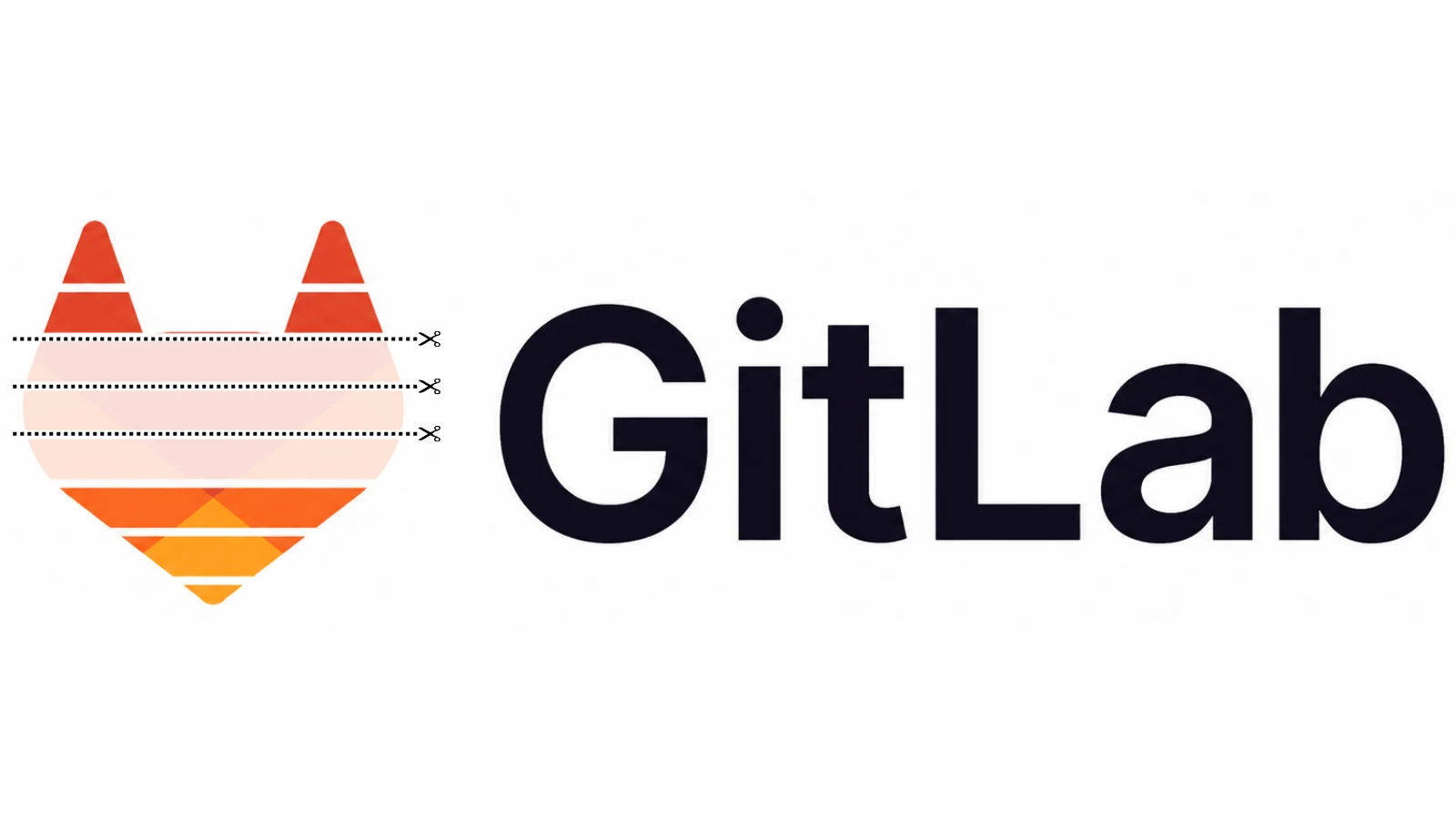
On 11 May, GitLab’s chief executive Bill Staples published a letter to staff and investors that he called Act 2. Most restructuring notices are a paragraph of careful nothing. Staples wrote nineteen minutes of it and pasted in the email he had just sent his own people. He told them that eight layers of management was too many for a company GitLab’s size, and that those layers had been slowing the business down, so he is taking out as many as three of them, folding research and development into around sixty smaller teams, and pulling the company out of up to a third of the countries it operates in.
You have lived through a flattening before, from one side or another. You may have ordered one yourself. What caught my eye about GitLab is that Staples is doing the whole thing with the lights on, and that he treats the way he cuts as a decision worth defending in public. A good many organisations still file it under “do not discuss”.
Flattening is now the default
The direction of travel is not in doubt. Gartner expects that through 2026 a fifth of organisations will use AI to flatten their structure and remove more than half of their middle management. Oracle, Meta, and plenty of others have spent the year thinning out the layer between the top and the work, and the justification barely changes from one press release to the next: fewer managers, wider teams, faster decisions.
I wrote a fortnight ago about who is left holding an organisation together once the middle has gone, and the answer tends to be messier than the reorganisation slide promised. That piece, You Flattened the Org Chart. Who Runs It in 2028?, looked at the bill that arrives two years later. GitLab is making the same kind of decision. What is worth watching this time is the way it is being handled.
The way GitLab is doing it
Staples has done something that would make most boards uneasy. He announced the restructure before anyone knew whose job was going, opened a voluntary window for people who wanted to leave, and spent three days walking the whole company through his reasoning. He said plainly that this was not a cost-cutting exercise dressed up as AI, and promised that most of the savings would go back into the business. He retired the values framework the company had used for a decade in the same letter. His stated aim is to do this once and then leave the structure alone for years.
Set that against the familiar version, where the consultants redraw the boxes over a weekend and the letters go out before anyone has been told why. GitLab’s approach carries its own risks. An open process drags out the uncertainty for everyone still waiting to hear, and some onlookers have already reached for the phrase “AI washing”. Whether it works will not be clear for a while, and the June earnings call will say more about the numbers than the letter did. For now, Staples has put his name to how the cut is being made and has been willing to argue for it in front of the people it affects.
Why it reaches your desk
If you sit in a senior seat, take the warning. The way you handle a restructure now goes on the record. Boards are paying closer attention to how these decisions are made, and they are about to have sharper tools for the job. Gartner reckons that by 2029 around one in ten boards worldwide will lean on AI to question executive decisions that are material to the business, which it thinks will finish off the maverick chief executive whose calls cannot be properly explained. Restructuring on instinct and trusting the results to cover for you is getting harder to get away with.
The same holds if you are on the receiving end of one of these exercises. A clean executive career transition is far easier to run when you can show how you handled the last restructure, because interviewers now ask. And if you are the one being moved on this time, good outplacement and redundancy support can turn an awkward exit into a sound next move.
What your CV now has to prove
The executives in demand are the ones who can take layers out without wrecking the judgement and the succession that hold a business together. That is harder to prove than a cost saving, and it seldom shows up on an ordinary CV. A strong C-suite CV has to show that you restructured and the place still worked afterwards: the people you kept, and the customers who never felt a thing. If your next step is towards the boardroom, board advisory preparation now includes learning to pull a restructuring plan apart before you sign it off, and executive coaching gives you somewhere to rehearse the hard conversations before you are having them in front of a few hundred people.
Frequently asked questions
What is GitLab’s “Act 2” restructure?
It is the restructuring GitLab’s chief executive Bill Staples announced on 11 May 2026. GitLab plans to remove up to three layers of management in some functions, reorganise research and development into roughly sixty smaller teams, cut the number of countries it operates in by up to 30 per cent, and hand more internal reviews and approvals to AI agents. The company is running the process in the open, including a voluntary window for people who want to leave.
Is AI really flattening middle management?
The trend is well documented. Gartner expects that through 2026, 20 per cent of organisations will use AI to flatten their structure and remove more than half of their current middle management positions. AI now handles much of the reporting and monitoring that once filled a manager’s week, so each remaining manager can look after a far larger team.
How should a senior leader handle a restructure they are running?
Explain your reasoning before the decisions are final, protect the knowledge and the succession you are about to cut into, and be ready to defend the plan to a board that may soon bring its own AI analysis to the table. The way you treat the people leaving is now part of how the people who stay, and your next employer, will judge you.
What if my own role is caught in a flattening?
Treat it as a chance to reposition. Set down what you built and protected while you were there, and get help turning a restructure exit into a credible senior move through executive career transition and outplacement support.
GitLab may still make a mess of Act 2. The strategy could stall, the savings could come in short, and the open process could prove more painful than a quick cut would have been. But Staples has grasped something a good many slower boards have missed, which is that a restructure has stopped being a quiet administrative event. Your staff watch how you do it, and your next employer will ask about it. That is worth getting right, whichever side of the table you find yourself on.