

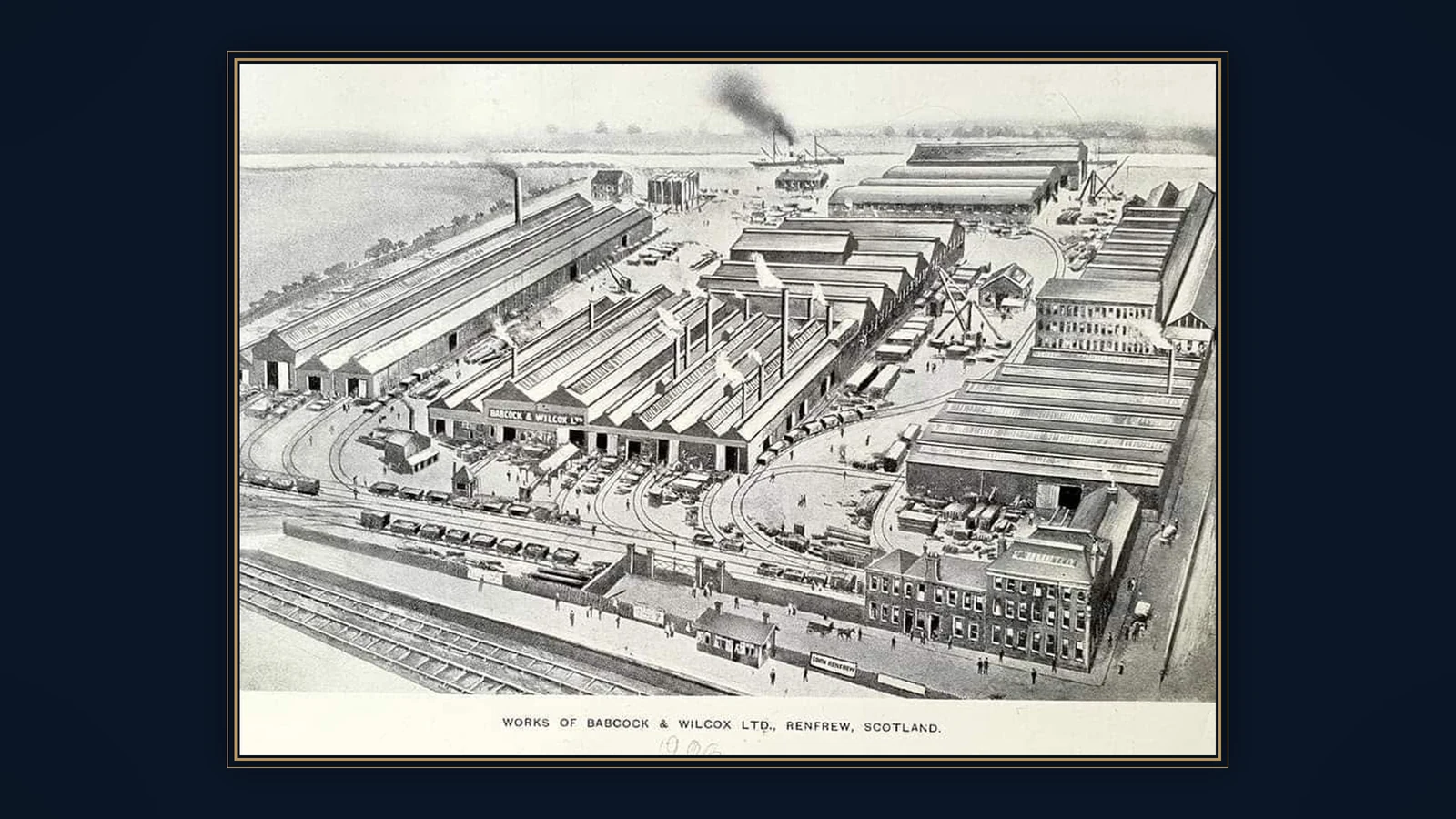
How many chief executives do you know who got to choose the manner of their own going? Not many, I would wager. Most are shown the door a quarter after a bad set of results, or they cling on until they have become the very problem their successor is hired to fix. David Lockwood has managed to sidestep both.
On 23 January, Babcock announced that Lockwood would retire as group chief executive by the end of the year, and in the same breath named the man taking over: Harry Holt, who runs its nuclear arm and has been on the executive team since 2023, chosen after weighing candidates inside and out. Lockwood joined in September 2020, took a company the City had all but given up on and put it back in the FTSE 100, and he leaves with the business in profit and his own reputation worth rather more than it was the day he walked in. The whole handover has been mapped out well in advance, which is not how most of these things tend to go.
Boards are in no hurry this year
Lockwood is not alone in taking the measured route. Across the Atlantic, American companies announced 782 chief executive changes in the first five months of the year, according to the outplacement firm Challenger, Gray & Christmas, a quarter down on the 1,028 they counted over the same months last year. Boards, it seems, are content to leave well alone. And when they do move, they are doing it gently: in May, retirements and planned step-downs made up seven in ten departures, and more founders handed their firms to professional managers than in any month before it this year. Andy Challenger, who runs the firm’s research, described a market where change at the top is being managed with care and flagged long before it happens.
So that is the weather you are planning your own exit in. The overnight departure has rather gone out of fashion, and what boards want instead is the tidy handover, arranged over months, with a successor already warming up in the wings. If they are going to be that deliberate about losing you, does it not make sense to be just as deliberate about your going?
The groundwork takes years
Here is what people miss about a departure like Lockwood’s. It looks effortless precisely because the difficulty was handled a long time ago. You do not line up a credible successor, square the board and tidy your own legacy in the fortnight before the announcement. You do it over years, while the day job is doing its best to swallow every hour you have. That is why so few at the top ever pull it off. The role eats the time they might have spent preparing to leave it, and one morning the choice is simply taken out of their hands. The ones who manage it treat their own exit as a piece of work in its own right. They make themselves replaceable on purpose, and they keep the people who will decide their fate close enough that the conversation about moving on is one they get to open. A fair amount of the executive coaching we do with people at this level comes back to exactly that, getting them ready to leave well long before anyone is asking them to.
Almost nobody plans the morning after
Then there is the morning after, which is where even sharp operators come unstuck. You give the role everything, the question of what you are once it ends never gets a look-in, and then the leaving date arrives and there you stand: a formidable CV that runs out three years ago, and a LinkedIn profile that made sense only while you held the title. The people who move on well have usually been building the next thing for a year or more before they needed it, whether that is a first non-executive seat, an advisory brief or two, or a proper tilt at a bigger role elsewhere. It is far easier to set that up while you are still in post and still wanted than from a cold start once the door has shut behind you. That is what a planned executive career transition is for, and why a career advisory retainer earns its keep: the spadework is done by the time the moment arrives.
When the choice is not yours
Of course, not every exit is a Lockwood. Sometimes the numbers turn, or a new chief executive walks in wanting his own faces round the table, and the timing is settled for you. If that is where you find yourself, the one thing to avoid is signing in a hurry to make the awkwardness go away. Take advice, read the terms properly, and have a look at what I wrote last month on the exit you should never sign in a hurry before your pen goes anywhere near the paper. Even a forced departure leaves more in your hands than it feels like at the time. How you frame it, how quickly you find your feet, how well you present the years that led up to it, all of that is still yours, and decent outplacement and redundancy support has a habit of turning a grim few weeks into a quicker, better next move.
FAQ
When should I start planning my exit?
Earlier than feels comfortable. If you are two or three years into a role and it is going well, that is the moment to start bringing on a successor and keeping your own record current. Plan early and you keep the option of leaving on your own terms later.
Does planning to leave make me look uncommitted?
No. Bringing on a successor and keeping the business ready for your departure is what a serious leader does. Boards worry far more about the people who leave a hole behind them.
What should I have ready before I go?
A current executive CV, a LinkedIn profile that matches the level you actually operate at, a handful of people who will speak for you, and some idea of what comes next, be it another executive role, a non-executive portfolio, or advisory work.
What if I am pushed out with no warning?
Slow down before signing anything, take proper advice on the terms, and treat the hunt for the next role as a structured piece of work. A clear head and a plan will do far more for you here than speed.
Lockwood leaves with the succession settled and his shareholders content, and every bit of that was decided long before January’s announcement. Your own exit is coming too, on your terms or on somebody else’s, and which of the two it turns out to be will owe far more to the groundwork you lay now than to anything you say once the conversation finally arrives. The executives who go well are rarely the ones who started thinking about it the week it began.